Taiwan Heart Flag: A Designer's Review for Embroidery
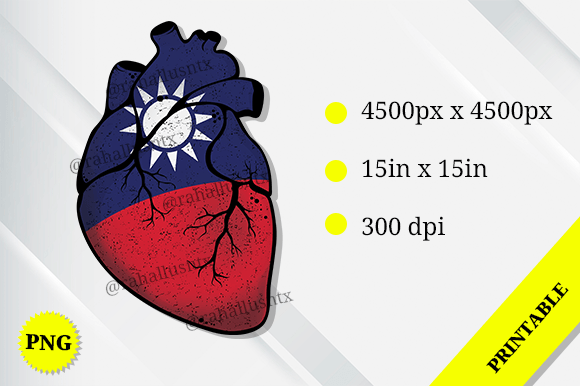
As a designer who spends more time staring at stitch simulations than most people care to admit, I approach every new embroidery file with a mix of optimism and skepticism. When I first pulled up the Taiwan Heart Flag design, my initial reaction was driven by its visual promise rather than its technical specs. The product description highlights a "bright design" with a "watercolor clipart" aesthetic on a transparent background. Visually, this is charming. It merges national pride with a soft, approachable shape that feels perfect for modern, boutique-style goods. However, translating a watercolor graphic into a machine embroidery design requires a critical eye. Watercolor effects rely on bleeding colors and soft gradients, whereas embroidery relies on distinct thread paths and density. My goal in this review is to determine if this Graphics asset holds up when put under the needle for real-world Crafts applications.
The Visual Personality and First Impressions
The Taiwan Heart Flag immediately strikes a warm, inviting tone. Unlike rigid, geometric flag representations, the heart shape softens the symbolism, making it ideal for personalized gift items and lifestyle branding. The "bright" nature of the design suggests high saturation, which is excellent for catching the eye on a crowded craft fair table or an Etsy listing. For a small shop product, visual pop is currency. The layout seems centered and balanced, which usually translates well to standard hoop configurations. However, because the source material is described as watercolor clipart, the challenge lies in how those soft edges are interpreted by digitizing software if you are converting it yourself, or how the pre-digitized version handles those transitions. If the design relies heavily on fill stitch work to mimic watercolor washes, we need to be mindful of stitch density. Too dense, and the fabric puckers; too light, and the backing shows through, ruining the vibrant effect.
Real-World Application: The Custom Tote Bag Scenario
To truly test the viability of the Taiwan Heart Flag, I imagined a specific project: a custom embroidered canvas tote bag for a cultural heritage event. Canvas is a sturdy fabric, but it has a distinct weave texture. In this scenario, the bright colors of the design would contrast beautifully against a natural or navy canvas. The heart shape works exceptionally well here because it acts as a focal point without needing to be oversized. For a tote bag design, durability is key. If this design uses a combination of satin stitch borders and fill interiors, it should hold up well to the friction of daily use. I can envision a customer reacting positively to the softness of the heart motif; it feels less political and more about community and love, which broadens its appeal for a craft business looking to sell to a diverse audience. The finished product would look professional, provided the stitching is crisp and the edges are clean.
Apparel and Soft Goods Performance
Moving beyond bags, let's consider custom apparel. A sweatshirt or a baby onesie presents different challenges. For sweatshirt embroidery, the fleece or French terry fabric adds loft. The Taiwan Heart Flag, with its bright palette, would stand out vividly against heather grey or black garments. However, on stretchy fabrics like those used for baby embroidery, stability is paramount. If the design has large areas of solid fill, it might restrict the stretch of the garment or cause cracking over time. This is where the "watercolor" aspect becomes tricky. If the digitizer used a lot of short running stitch details to create texture, those tiny stitches might get lost in the pile of a sweatshirt or pull out on a stretchy knit. For a holiday embroidery project or a nursery decor item, the design's gentle theme is a winner, but the execution must be flawless to maintain that handmade charm.
Technical Considerations and Fabric Constraints
While the Taiwan Heart Flag is visually appealing, there are specific scenarios where caution is advised. If you are working with dark fabric, ensure that the design includes an underlay or that the thread colors are opaque enough to cover the background. Watercolor styles sometimes rely on the white of the paper (or fabric) to create highlights; in embroidery, you cannot rely on the fabric showing through unless it was specifically digitized that way. On textured fabrics, fine details can disappear. If the design includes tiny elements within the heart or subtle color shifts, these might turn into a muddy mess on a rough towel or a thick blanket.
Furthermore, curved surfaces like caps require careful attention. Placing a detailed heart design on the front panel of a cap can lead to distortion if the hoop size isn't managed correctly or if the stabilizer isn't robust enough. For products that need frequent washing, such as kitchen towels or aprons, verify the stitch integrity. Dense areas can become stiff and uncomfortable, while sparse areas might fray. Always test the design on scrap fabric that matches your final material. This is non-negotiable for maintaining brand consistency and customer trust.
Enhancing Value and Professionalism
Ultimately, the value of the Taiwan Heart Flag in your inventory comes down to presentation. A well-stitched version of this design elevates a simple item into a meaningful handmade product. It signals to the buyer that thought went into the selection of the motif. For Etsy seller accounts, using high-quality printable mockup images that showcase the texture of the stitches can significantly boost buyer engagement. The design's ability to convey emotion through its shape and color directly impacts the perceived value of the finished product. Whether it is an embroidered patch for a jacket or a subtle accent on a pillow cover, the clarity of the stitching defines the professionalism of the piece.
Final Verdict and Designer Notes
Before committing to a production run or listing this as a digital embroidery file for sale, there are practical steps every creative entrepreneur should take. First, check the thread color contrast. Does the blue pop against the red? Do the transitions look smooth or jagged? Second, review the stitch count and density relative to your machine's capabilities. Third, confirm the licensing terms. Since the source is described as clipart great for printing and sublimation, ensure you have the rights to use it for commercial embroidery and physical goods, not just digital prints. Finally, test it in black and white mockups to see if the shape holds its own without relying solely on color.
The Taiwan Heart Flag offers a lovely blend of patriotism and tenderness, making it a versatile asset for various embroidery project types. From boutique branding to heartfelt gifts, its potential is high, provided the technical execution matches the artistic intent. By respecting the limitations of fabric and thread, and by testing rigorously, you can turn this bright graphic into a standout item that resonates with customers and stands the test of time.